What Is the Odds of Winning the Lottery Explained Simply
19 September 2026 | 148
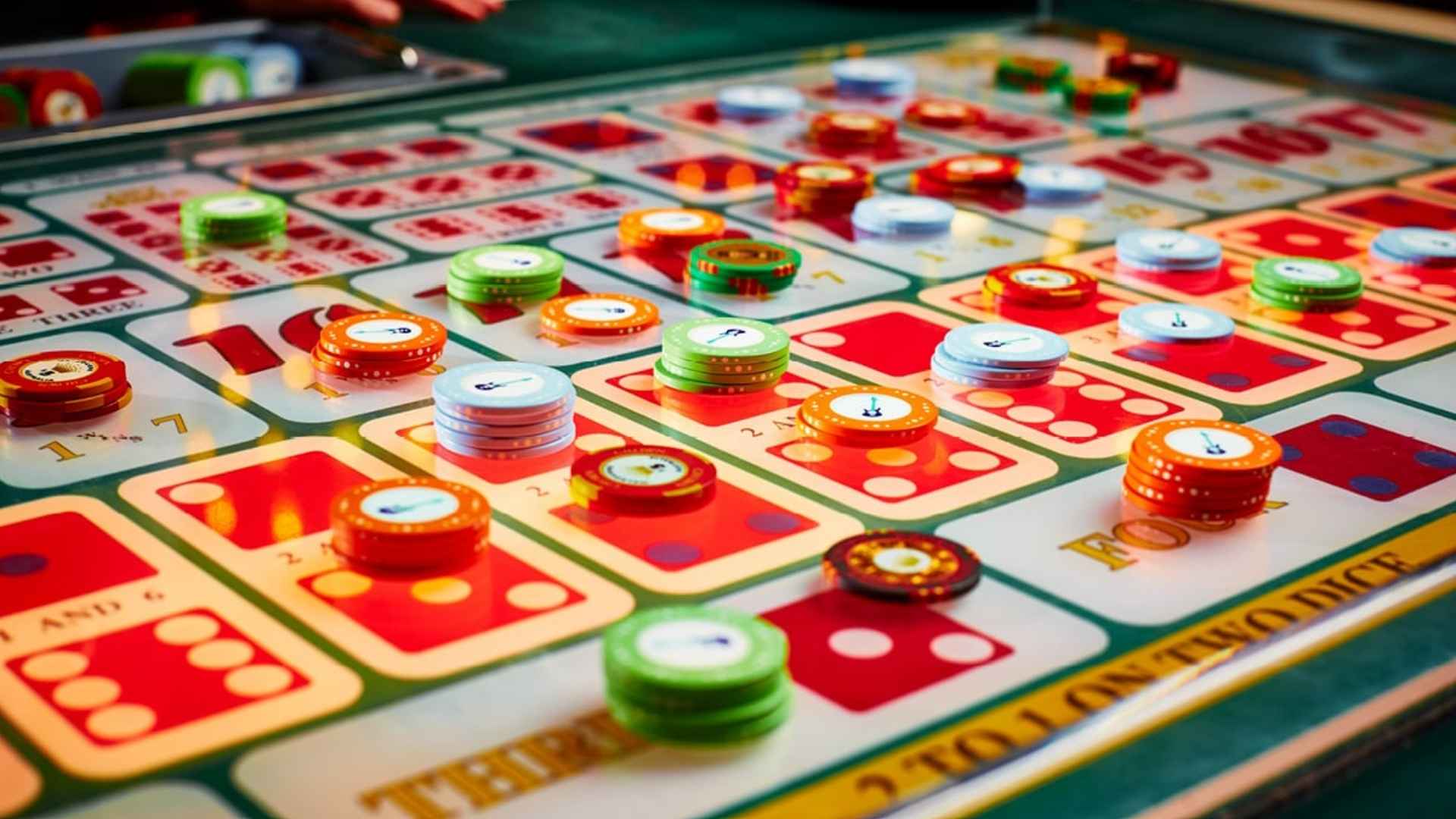
Millions of people purchase lottery tickets every week dreaming of a life-changing windfall, but few truly grasp the mathematical reality behind those giant jackpot numbers. Understanding lottery odds can help players maintain realistic expectations and view the activity purely as a form of casual entertainment. By breaking down the probability into simple concepts, anyone can appreciate just how rare a winning ticket actually is.
How Lottery Probability Works in Simple Terms
At its core, probability measures the likelihood of a specific event occurring out of all possible outcomes. When you buy a single lottery ticket, your selection of numbers represents just one potential combination out of tens or hundreds of millions. Because every possible combination has an equal chance of being drawn, purchasing additional tickets only slightly improves your overall probability.
To put large numbers into perspective, winning a major national jackpot is often compared to flipping a coin twenty-eight times and landing on heads every single time. Mathematically, your odds do not improve based on past results or the specific numbers you choose. Random number generators and ball draws ensure that every drawing is entirely independent of previous events.
Comparing Lottery Odds to Everyday Events
It is difficult for the human brain to visualize odds that reach into the hundreds of millions. For instance, the odds of hitting a major multi-state jackpot are typically around 1 in 300 million. In comparison, an average person has a significantly higher chance of being struck by lightning or finding a rare four-leaf clover on their first try.
For those interested in exploring different gaming probability models and odds structures, online platforms such as m88 奖金 offer insights into various games of chance. Understanding these statistical differences helps players distinguish between high-risk lottery draws and games with smaller, more frequent payout frequencies. Recognizing these ratios is key to making informed choices about recreational gaming.
Smaller Prizes Offer Better Statistical Realities
While the top jackpot receives the most media attention, most lotteries feature several secondary prize tiers with much better odds. Matching just three or four numbers yields significantly higher chances of winning a modest cash prize. These smaller payouts help offset the astronomical odds associated with taking home the ultimate grand prize.
Player pools also influence the shared value of a jackpot, even if they do not change the underlying mathematical probability. When more people buy tickets during massive jackpot runs, the likelihood of multiple winners splitting the main prize increases. Therefore, while your chances of winning remain fixed, the expected financial return can fluctuate based on ticket sales.
Maintaining a Healthy Perspective on Playing
Treating the lottery as a form of low-cost entertainment rather than a viable financial plan is essential for responsible play. Setting a strict budget ensures that spending money on tickets never interferes with necessary living expenses or savings goals. The primary value of a ticket often lies in the brief excitement of anticipation rather than an expectation of wealth.
Ultimately, knowing the odds allows players to enjoy the thrill of the draw with complete clarity. Probability remains constant regardless of superstitions, ticket purchase locations, or lucky routines. Enjoying the game responsibly means celebrating rare small wins while keeping the overall odds in proper perspective.